
Electronic hotel locks are a long-term investment, and many properties continue using the same system for years. A well-maintained system may remain dependable long after newer technology becomes available.
However, every lock system eventually reaches a point where continued repair becomes less practical, replacement parts become harder to obtain, or the technology no longer meets the property’s operational needs.
The decision to upgrade should not be based on age alone. Hotels should evaluate reliability, repair costs, parts availability, guest expectations, security needs, and future plans before replacing an existing system.
Age Does Not Automatically Mean Replacement
Older hotel lock systems are not necessarily obsolete just because newer products are available.
Many legacy AccuLock, Kaba–Ilco, Onity, and Ving systems remain in service at hotels today. When parts are available and the equipment can still be repaired reliably, continuing to maintain the existing system may be a sensible choice.
Replacement becomes more important when the system is no longer dependable, support is becoming limited, or the property needs features the existing equipment cannot provide.
The goal is not to replace a functioning system too early. It is to recognize when continued repair is no longer the best long-term decision.
Signs Your Hotel May Be Ready for an Upgrade
Repairs Are Becoming More Frequent

An occasional failed lock does not necessarily indicate that the entire system needs to be replaced.
But when failures begin occurring regularly across multiple rooms, the property may be spending more time and money managing recurring problems. Frequent repairs can also create additional work for maintenance teams and front-desk employees.
Hotels should begin evaluating replacement when lock failures become a pattern rather than an isolated issue.
Replacement Parts Are Becoming Difficult to Find
Parts availability is one of the most important factors when deciding whether to continue repairing a legacy system.
Some older hotel lock families can still be supported because repair parts remain available. Other systems become increasingly difficult to maintain as components are discontinued or existing inventory becomes limited.
When essential parts are no longer consistently available, the hotel may face longer room downtime and fewer practical repair options.
Planning an upgrade before support disappears completely allows the property to make a deliberate decision instead of reacting to an emergency.
The Front-Desk Equipment Is Becoming Unreliable
The guestroom lock is only one part of a hotel access system.
The property may also depend on:
A hotel may have serviceable locks but unreliable front-desk equipment. If the encoder, programming equipment, or related system components are no longer dependable, the entire access process can become difficult to manage.
An upgrade may be appropriate when failures extend beyond individual locks and begin affecting the system as a whole.
Guestroom Downtime Is Increasing
A lock problem can prevent a room from being assigned, delay housekeeping, or require hotel staff to move a guest.
When these interruptions happen frequently, the operational cost may become greater than the cost of the repair itself.
Properties should consider:
A system that regularly interferes with room availability may no longer be providing acceptable value.
The Property Wants Contactless Access
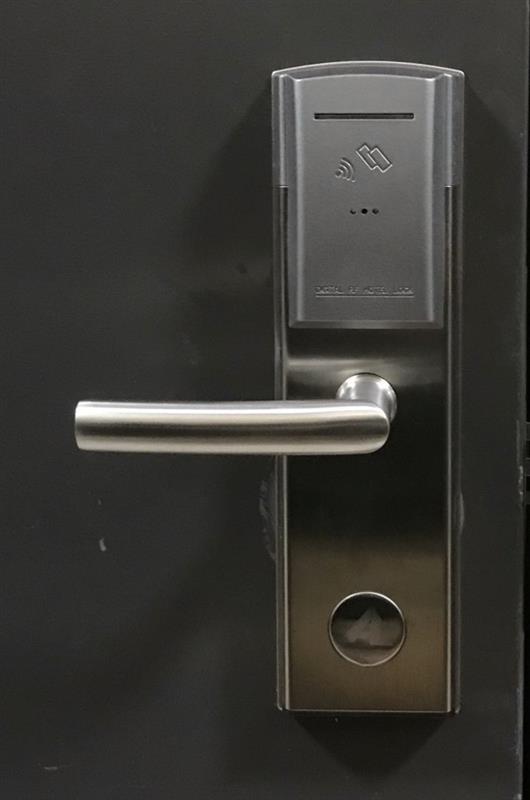
Many older hotel lock systems require guests to insert or swipe a key card. Newer systems may offer contactless RFID credentials, allowing guests and staff to present a card near the reader rather than inserting it into the lock.
Contactless access may offer a more convenient guest experience and can reduce some of the wear associated with inserted credentials.
A property considering renovation or modernization may decide that moving to RFID access is worth including in its upgrade plan.
Mobile-Key Access Is Becoming a Priority
Some hotels want to give guests the ability to access their rooms with a compatible mobile device.
Mobile-key technology can support a more modern arrival experience, but it requires compatible locks, software, and system infrastructure. A hotel’s existing lock system may not be capable of adding mobile access economically.
When mobile key becomes an operational or brand priority, a system upgrade may be necessary.
The Existing Security Technology No Longer Meets the Hotel’s Needs
Security standards and access technologies continue to develop.
A property may choose to upgrade because it wants:
The appropriate security features will depend on the hotel, its operating requirements, and the system being considered.
The Hotel Is Planning a Renovation
A renovation may be the most practical time to replace an aging lock system.
When doors, guestrooms, corridors, or public areas are already being updated, the hotel may be able to coordinate lock installation with other construction work. This can reduce disruption and help the property create a more consistent finished appearance.
Hotels should begin discussing lock requirements early in the renovation process so that equipment selection, door preparation, installation, and system setup can be properly planned.
Ownership or Brand Requirements Have Changed
A change in ownership, management, or hotel brand may bring new technology or security requirements.
The existing lock system may not meet the property’s future standards, even if it is still operating. In these situations, replacement may be driven by operational requirements rather than immediate equipment failure.
Hotels should confirm any required specifications before selecting a new system.
Repair Costs Versus Long-Term Value
The decision to upgrade should consider more than the cost of one repair.
Hotels should look at the full pattern of expenses, including:
A repair may still be the best choice for one failed lock. However, if the property is repeatedly investing in an aging system with limited support, replacement may offer better long-term value.
Do Not Wait for a Complete System Failure
One of the biggest mistakes a hotel can make is waiting until the existing system can no longer be supported.
An emergency replacement gives the property less time to:
A planned upgrade allows the hotel to make a more informed decision and reduce disruption.
Even when the current system can still be repaired, it may be wise to begin planning for its eventual replacement.
Before choosing a replacement, hotels should consider the following questions.
What Type of Access Does the Property Need?
The hotel should determine whether it wants:
The most advanced option is not automatically the best option. The selected system should match the property’s actual needs and budget.
Will the New Locks Fit the Existing Doors?
Hotel doors may have existing cutouts, mounting patterns, and hardware configurations.
A replacement system should be evaluated for compatibility with the current doors. Additional door preparation may affect installation time, appearance, and project cost.
Properties should not assume that every electronic lock will fit every existing door without modification.
What Equipment Is Required at the Front Desk?
A complete hotel lock system may include more than guestroom locks.
The hotel may also need:
These items should be included when comparing the total cost of different systems.
Who Will Install and Support the System?
The quality of the equipment matters, but so does the support behind it.
Hotels should understand:
A hotel lock system must be supported throughout its useful life, not only during the initial installation.
What Is Included in the Total Project Cost?
The price of the lock itself is only one part of an upgrade.
The complete project may include:
Hotels should compare complete proposals rather than focusing only on the unit price of the locks.
AccuLock System Two
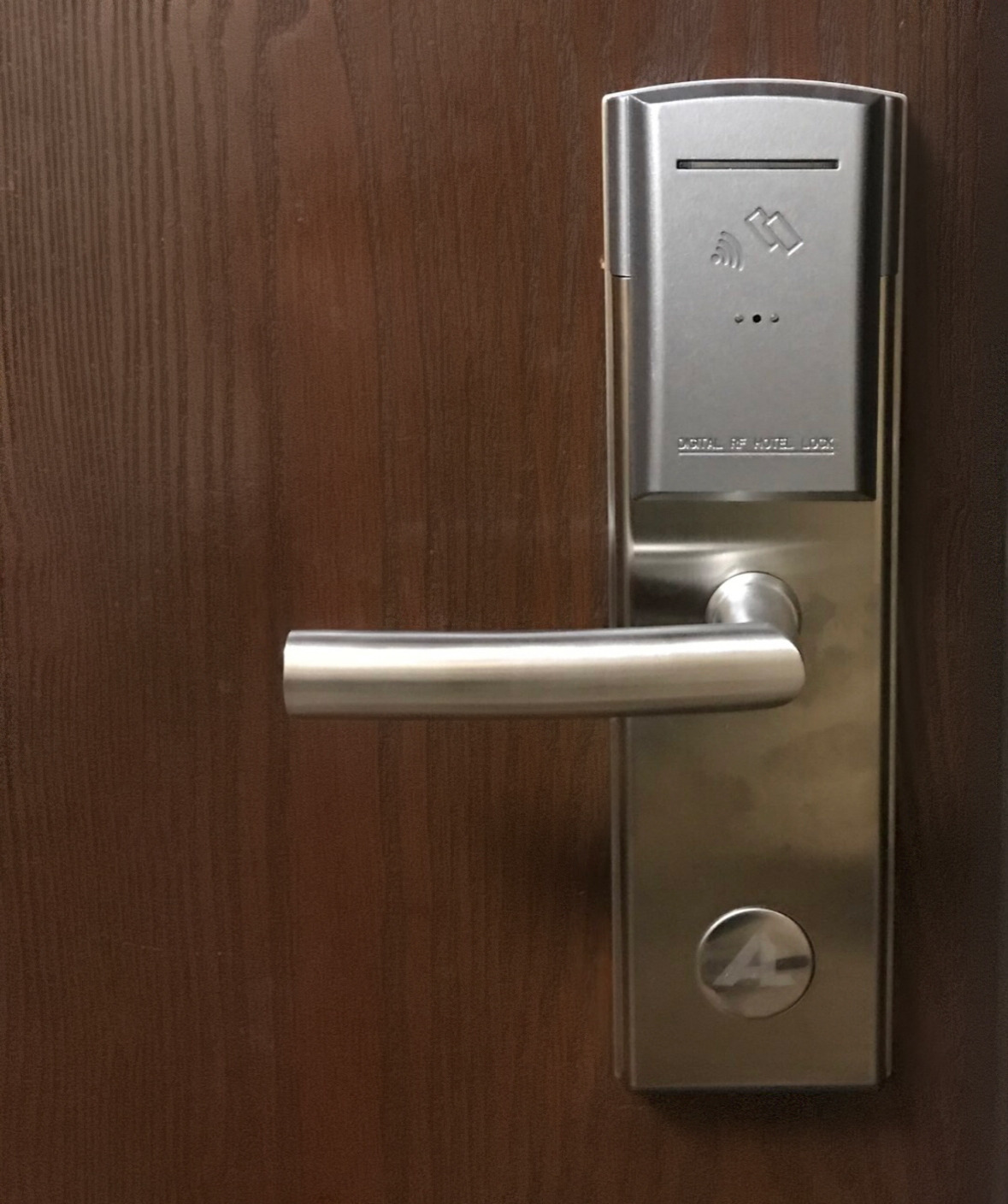
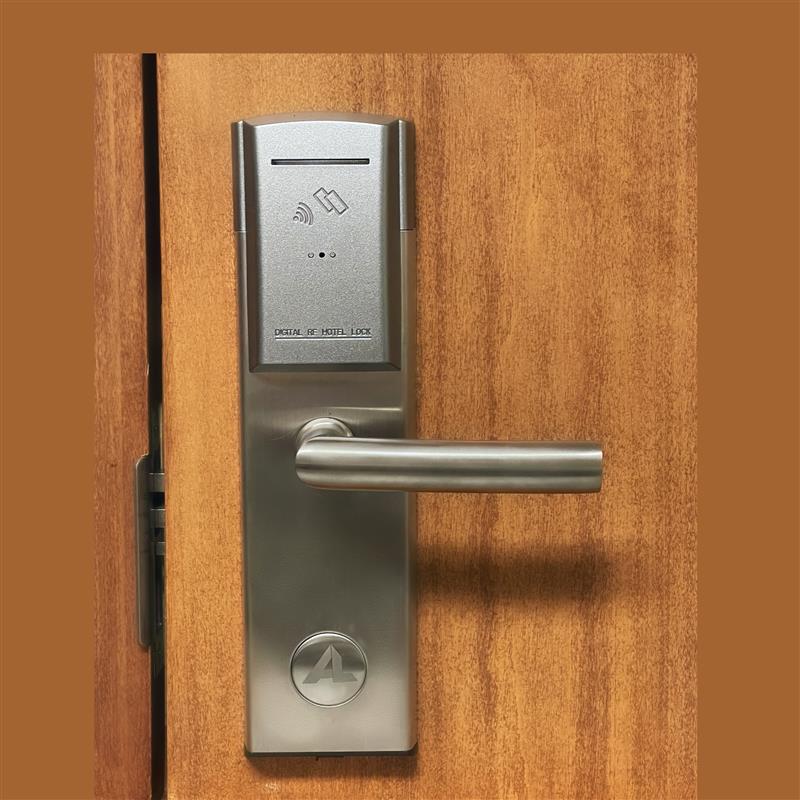
For hotels considering a new system, the AccuLock System Two, or ALS2, combines dual AES-encrypted RFID and mobile-key access technology within a traditional ANSI-compatible lock design.
The ALS2 is designed for properties seeking updated access technology, mobile-key capability, and competitive pricing while maintaining a familiar hotel-lock configuration.
The appropriate system for a property will depend on its doors, operational needs, budget, and desired features. Hotels should review those factors before making a final selection.
Repair, Plan, Then Upgrade
A hotel does not always need to choose immediately between repairing every lock and replacing the entire system.
A practical strategy may include:
This approach helps the hotel avoid premature replacement while also reducing the risk of waiting too long.
AccuLock helps hotels repair existing electronic locks, support selected legacy systems, and evaluate new hotel lock options.
Whether your property needs continued repair support or is beginning to plan an upgrade, our team can help you assess the current equipment and determine a practical path forward.
AccuLock
The Original in Hotel Lock Repair.